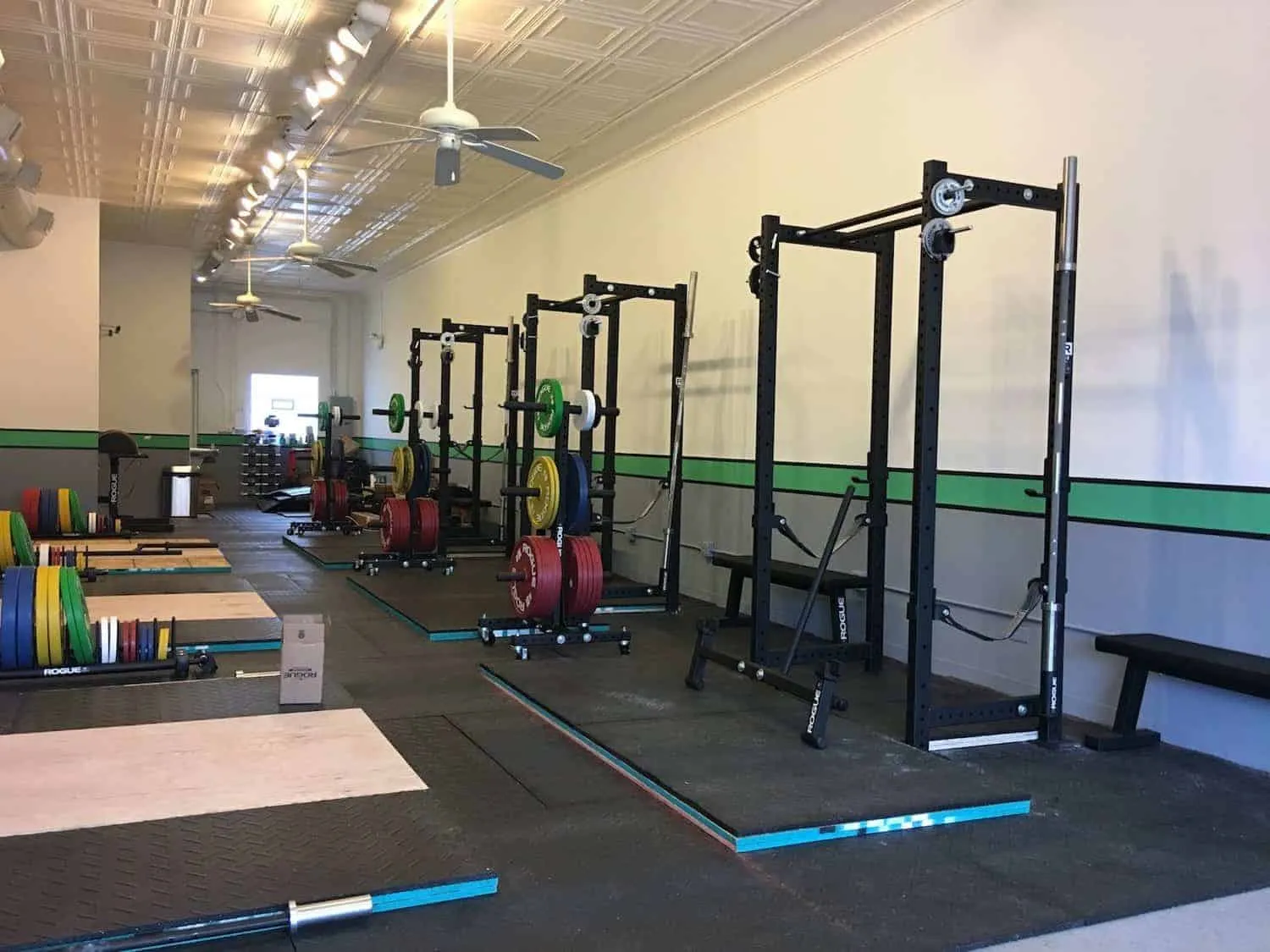
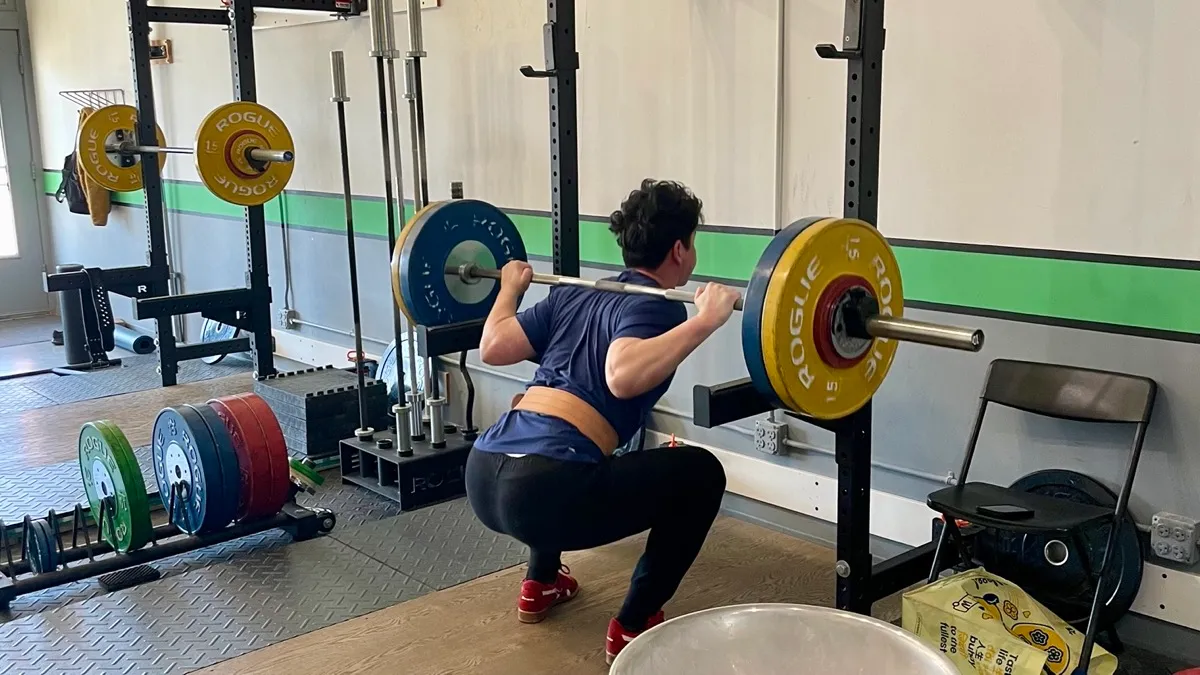
When you walk into the gym for your session, I already know what you did last time. I know whether you hit your numbers, where you stalled, and if there’s anything I need to address before you touch the bar.
That’s not because I have a great memory. It’s because every rep you lift here gets tracked.
What We Actually Track
Every set you do at Chicago Strength & Conditioning gets logged. Your squat, your press, your bench, your deadlift. Sets, reps, and weight, every session, going back to the day you started.
That data builds a progress chart for each lift. You can see exactly where your squat has gone over the past six months. Not a rough idea. An exact picture. When you hit a personal record, I can tell you how your numbers have moved since your first session. When you stall, I can see the pattern forming before you notice it yourself.
Most gyms don’t do this. Most trainers have a vague sense of what you lifted last week, and that’s if they remember at all. We treat your training like it matters enough to measure, because it does.
Form Checks That Don’t Disappear
If you send a form check video, it doesn’t end up buried in a text thread or lost in an Instagram DM.
When you record a set and upload it, the video lives on that specific set in your training log. I can watch it, leave feedback right there, and you see my notes attached to the exact lift we’re talking about. No scrolling through messages trying to find the video from last Tuesday.
Between afternoon and evening sessions, I spend about twenty minutes working through video reviews. That means your form check gets seen the same day, not three days later when I finally dig through my inbox.
Nothing Falls Through the Cracks
When I was tracking everything in spreadsheets and fielding messages across five different apps, things got missed. A client would send a question and I wouldn’t see it for days. Someone would mention a nagging shoulder issue in a text, and it would get buried under twenty other conversations before I could address it.
That doesn’t happen anymore. I built a system that shows me exactly who needs my attention between sessions. I open it between afternoon and evening groups and I can see right away who I need to get back to.
If you train here, that means your questions get answered, your videos get reviewed, and your programming gets adjusted based on real data — not my best guess from memory.
Why This Matters to You
You’re probably not thinking about how your coach organizes their day. That’s fine. You shouldn’t have to.
But the difference shows up in your training. It shows up when your coach walks over before your first set and says “last session you had some trouble locking out your press, let me watch that today.” It shows up when your programming changes because the data shows you’re ready to move on, not because an arbitrary four weeks passed. It shows up when you ask “what did I deadlift six months ago?” and you get an answer in five seconds.
As one member, Nicholas, put it: “Within a couple of weeks, Dave was able to help fix the major form errors in all of the lifts.” That kind of coaching doesn’t happen by accident. It happens because I’ve already reviewed your numbers and your videos before you walk in.
The reason I track every rep isn’t because I like data. It’s because coaching forty-plus people well requires knowing where each one of them is in their training at all times. After fourteen years of coaching, I’ve learned that spreadsheets stop working around twenty clients. So I built a platform called CoachSync that does it properly. Every client who trains at Chicago S&C is on it. The point isn’t the software. The point is that when you show up to train, your coach is prepared.
Come See for Yourself
If you want to train somewhere that takes coaching this seriously, book an Intro Barbell Clinic and come see how it works. The clinic is two hours, one-on-one, and you don’t need any experience. We’ll teach you the lifts, find your starting weights, and from that first session forward, every rep gets tracked.